What Your Teeth May Be Telling You About Your Oral Health!
Your teeth do more than help you chew and create a beautiful smile They can also offer important clues about your oral health.
Changes in tooth color, sensitivity, gum appearance, or breath may signal that something needs attention. Health Sphere & About Health While not every dental symptom indicates a serious problem, recognizing unusual changes can help you seek professional care before minor concerns become more complicated.
Tooth Sensitivity Could Be a Warning Sign
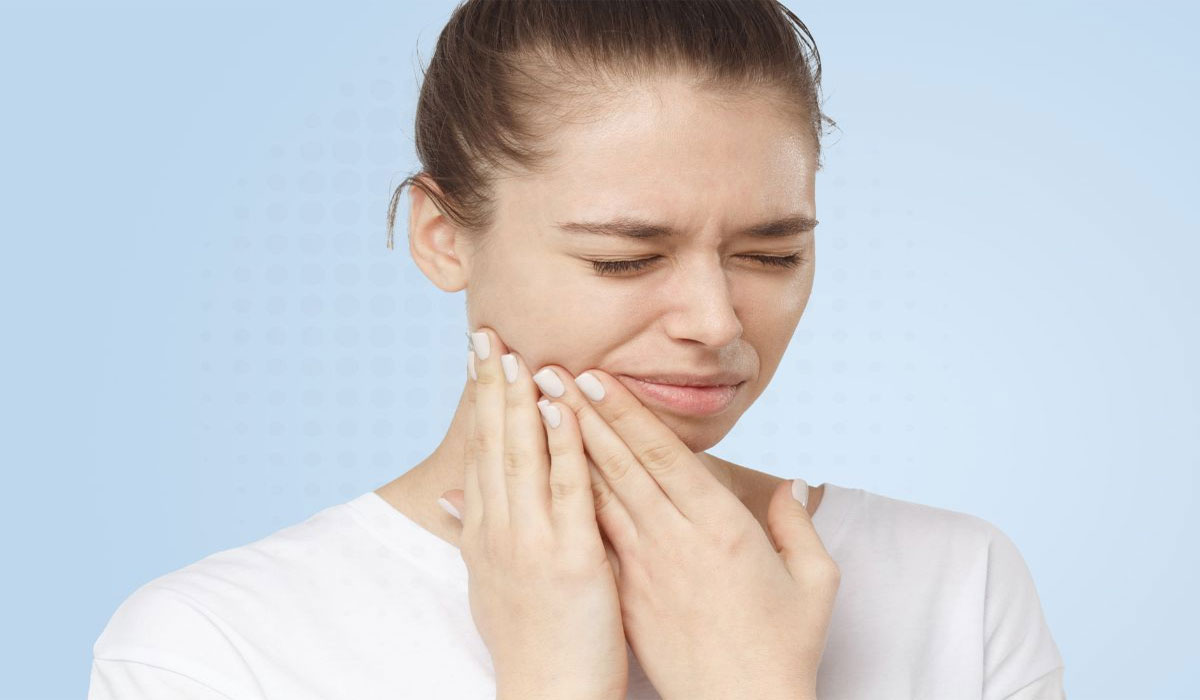
Do you feel a sudden twinge when drinking something cold, enjoying hot coffee, or eating sweet treats? Tooth sensitivity is common, but it should not always be ignored. It can occur when the protective enamel becomes thinner or when gums recede and expose the sensitive surfaces beneath.
Several factors can contribute to sensitivity, including aggressive brushing, acidic foods, tooth decay, cracked teeth, and worn dental fillings. Sometimes, sensitivity develops temporarily after professional dental procedures. Paying attention to when the discomfort occurs can help your dentist identify its possible cause.
Using toothpaste designed for sensitive teeth may provide relief, while brushing gently with a soft-bristled toothbrush can help prevent further irritation. However, persistent or worsening sensitivity deserves a dental examination. A dentist can determine whether the problem requires special treatment or a change in your daily routine.
Bleeding or Swollen Gums May Indicate Gum Problems
Healthy gums should generally look firm and feel comfortable. If you notice redness, swelling, tenderness, or bleeding when brushing or flossing, your gums may be showing signs of inflammation. One common cause is plaque buildup along the gumline.
Gingivitis is an early form of gum disease that can cause bleeding and swollen gums. The encouraging news is that it is often reversible with improved oral hygiene and professional dental cleaning. However, ignoring these symptoms can allow the condition to progress into periodontitis, which can damage the tissues and bone supporting your teeth.
Make daily cleaning a priority by brushing gently twice a day and cleaning between your teeth. If bleeding continues despite consistent care, schedule a dental appointment. Persistent symptoms should not be dismissed as normal, especially when accompanied by gum recession, discomfort, or loose teeth.
Read Also: The Dental Care Mistakes You Didn’t Know You Were Making!
Tooth Discoloration and Bad Breath Deserve Attention
A change in tooth color can sometimes reveal something about your dental habits or health. Yellowing may result from natural aging, surface stains caused by coffee or tea, tobacco use, or gradual enamel thinning. Brown or dark spots, however, may sometimes indicate tooth decay or other dental concerns.
Bad breath is another symptom worth noticing. It can develop from bacteria on the tongue, food particles trapped between teeth, dry mouth, gum disease, or certain foods. Occasionally, persistent bad breath may be associated with medical conditions, so it should not automatically be blamed on poor brushing.
To support fresher breath and cleaner-looking teeth, brush consistently, floss daily, gently clean your tongue, and drink enough water. Avoid relying on mouthwash alone to hide unpleasant odors. If discoloration appears suddenly or bad breath persists despite good oral hygiene, consult your dentist for an appropriate assessment.
Changes in Your Bite or Loose Teeth Should Never Be Ignored
Your bite should feel comfortable when your upper and lower teeth come together. If you suddenly notice that your teeth fit differently, experience discomfort while chewing, or develop unexplained jaw pain, it may be worth investigating. These changes can sometimes be associated with grinding, dental damage, or problems affecting the supporting structures.
Teeth grinding, also called bruxism, can gradually wear down enamel and contribute to tooth sensitivity, cracks, and jaw discomfort. Some people grind their teeth during sleep without realizing it. A dentist can look for signs of grinding and recommend appropriate protection, such as a custom night guard when suitable.
Loose adult teeth are particularly important to address because they are not a normal part of aging. Gum disease, injury, or other dental conditions may be responsible. Seek prompt professional care if a tooth becomes loose, and obtain urgent attention for a knocked-out permanent tooth.
Final Summary
Your teeth and gums can provide valuable clues about your oral health. Sensitivity, bleeding gums, discoloration, persistent bad breath, and changes in your bite are all signs worth paying attention to.