Dentists Want Everyone to Know These Simple Teeth-Care Secrets!
A healthy, beautiful smile is more than just an attractive feature It reflects the care and attention you give to your overall oral health.
Yet, many people overlook simple daily habits that can make a remarkable difference to their teeth and gums. The good news is that maintaining a healthier smile doesn’t have to be complicated or expensive. Health Sphere & About Health Discover these dentist-recommended secrets and learn how small changes can transform your dental care routine.
Brush Your Teeth the Right Way
Brushing your teeth twice a day is one of the most important habits for maintaining good oral health. However, simply brushing isn’t enough. Dentists recommend brushing for two minutes each time with a soft-bristled toothbrush and fluoride toothpaste. This helps remove plaque, protect tooth enamel, and reduce the risk of cavities.
Your brushing technique matters just as much as how often you brush. Use gentle, circular movements and pay attention to the front, back, and chewing surfaces of every tooth. Avoid brushing too aggressively because excessive pressure can irritate your gums and contribute to enamel wear over time.
Don’t forget to replace your toothbrush or toothbrush head every three to four months, or sooner if the bristles become frayed. A worn toothbrush cannot clean as effectively. Choosing the right toothbrush and developing a consistent brushing routine can help keep your smile looking and feeling its best.
Never Underestimate the Power of Flossing
Even the best toothbrush cannot reach every tiny space between your teeth. Food particles and plaque can accumulate in these areas, increasing the risk of gum inflammation and tooth decay. That’s why dentists emphasize the importance of cleaning between your teeth every day.
Traditional dental floss is an effective option, but interdental brushes and water flossers can also help, depending on your needs. Gently move the floss between each tooth and curve it around the sides rather than snapping it against your gums. Taking your time makes the process more comfortable and effective.
If your gums bleed when you begin flossing, don’t automatically assume that flossing is harmful. Bleeding can be a sign of existing gum inflammation. Continue cleaning gently and consistently, but consult your dentist if bleeding persists, becomes severe, or is accompanied by pain or swelling.
Read Also: Glowing Skin Secrets — The Simple Habits That Make Everyone Look Radiant!
Make Smart Choices About Food and Drinks
What you eat and drink plays an important role in your dental health. Sugary snacks, sweets, and soft drinks provide fuel for bacteria that produce acids capable of damaging tooth enamel. Frequent exposure to these acids can increase the likelihood of developing cavities.
One simple secret is to reduce how often you consume sugary foods and beverages rather than focusing only on the amount. Choose tooth-friendly options such as vegetables, fresh fruits, plain yogurt, cheese, and water. Drinking water regularly also helps wash away food particles and supports saliva production.
Be mindful of acidic drinks such as fruit juices and carbonated beverages, including sugar-free varieties. Their acidity can contribute to enamel erosion. If you consume acidic foods or drinks, rinse your mouth with water afterward and wait about 30 minutes before brushing.
Never Skip Regular Dental Checkups
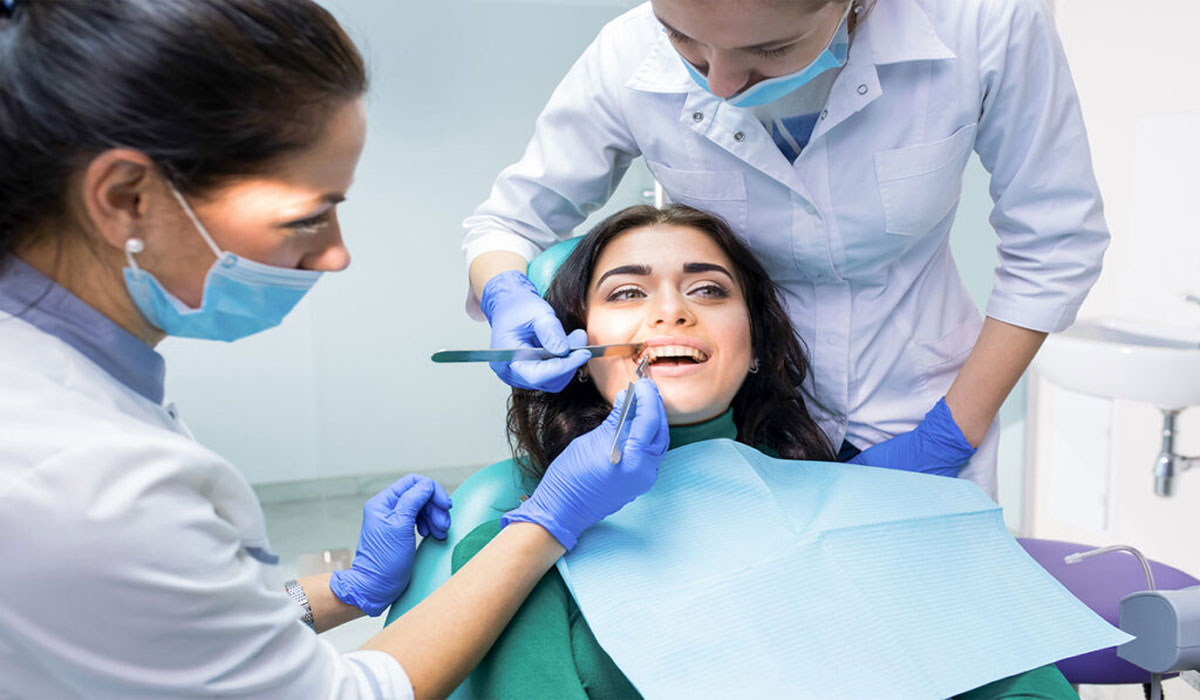
Brushing and flossing at home are essential, but they cannot replace professional dental care. Regular dental visits allow your dentist to examine your teeth and gums, identify potential problems, and remove hardened plaque that cannot be eliminated with ordinary brushing.
Many dental problems develop gradually without causing noticeable discomfort in their early stages. Cavities, gum disease, and other oral health conditions may become more difficult to manage when treatment is delayed. Professional examinations help detect concerns before they become more serious.
The ideal frequency of dental visits depends on your individual oral health needs. Some people benefit from checkups every six months, while others may require more frequent appointments. Your dentist can recommend a suitable schedule and provide personalized advice to keep your teeth and gums healthy.
Final Summary
A healthier smile begins with simple habits practiced consistently. Brush twice daily with fluoride toothpaste, clean between your teeth, make mindful food choices, and schedule regular dental checkups. These everyday actions can help prevent common dental problems and support healthier teeth and gums.